
 EN
EN
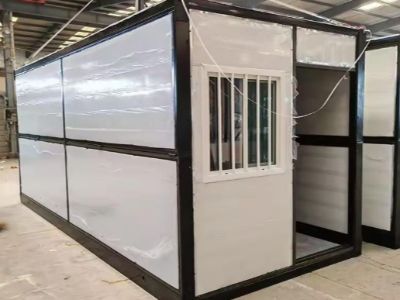
Shipping container construction is huge. These multistory container buildings can be a home, office or even a shop. one big thing to think about while constructing these buildings is sound. Nobody wants to live or work in a place that isn’t quiet and peaceful. Here’s where architectural acoustics comes in. The discipline of acoustic design revolves around managing sound within a space. When it comes to container buildings, you definitely want noise on the outside rather than inside. Keyi does this well, helping to produce spaces that aren’t just cool to stare at but also quiet and comfortable to inhabit.
Doing Your Best in Soundproofing 2-Story Shipping Container Buildings
And hey, if you want to keep quiet container buildings, there are a few smart ways to soundproof and reduce noise. First, you can try special materials. For this, it’s a good idea to have some high R-value insulation installed on the walls of your shipping container. Objects such as foam or noise-resistant boards can isolate the noise. In other words, if someone is speaking or listening to music, the sound won’t go through the walls. And even if you are in an apartment, carpets and rugs on the floors also cut down sound. Concrete can be loud underfoot, but the soft material helps to make the space cozy and quieter.
And then there are the windows and doors. I love that they are double-glazed because there are two of them. This also reduces the amount of outside noise entering your room. Soundproof doors are a good idea, too. They are also heavier and offer more soundproofing than most doors. It’s as if you are wearing a shield against noise.
The building’s own design is crucial. Smartly arranging rooms can also help. For instance, locating quieter spaces (such as bedrooms) at a distance from noisier ones (like streets or communal areas) may help produce restful atmospheres.
Keyi is also a believer in the power of plants. There can also be an acoustic benefit to adding greenery, such as indoor plants or green walls, to help absorb sound. This is not only visually pleasing, but it also increases the soundproofing.
Lastly, be mindful of its construction process. Ensuring that windows and doors are properly sealed (and checking for gaps) can help quite a bit. If there are any cracks or openings in the seal, sound can make its way through very easily. Keyi understands that everything matters, when it comes to designing for improved acoustics.
Where to Get Innovative Acoustic Solutions for Container Building Projects
According to a friend who built their own shipping container home, if you want some great advice on how to keep your container construction quiet, there are many resources available! Firstly, do speak with professionals. In conclusion, the architects, builders and acoustic engineers are all experts in their own field of study. They know how to design spaces that feel good to live and work in,” said Keyi has a team dedicated to crafting soundproof spaces. They can make suggestions on what materials and designs will work best for your project.
Online platforms and forums are another place to get ideas. A lot of people are generous with their tips and experiences when using containers. You can also learn from those who have encountered similar difficulties. Websites, and social media groups dedicated to container living can be a goldmine of information.
You might also consider visiting building expos or trade shows. Such events typically run the newest designs and materials. You can come across a variety of companies offering acoustic solutions. A lot of them will have samples of their product and you can see how they work in person.
Finally, some local home improvement stores also sell soundproofing materials. You’ll find insulation, soundproof boards and even specialty windows. Keyi is committed to providing comfortable high-quality products.
In conclusion, and no matter if you talk to specialists, surf the net, or go to establishments there are various means of obtaining solutions that soundproof the container building. Keyi is here to support you through the process of creating an environmentally-friendly container-multi-story building that's not only slick, it’s quiet.
How Choose Multi-Story Container Architecture Acoustic Best Material
To get sound right when constructing multi-story prefab container house, it’s important to select the right materials. This is called acoustic design. The idea is to prevent noise from traveling too far between rooms or floors. The best acoustic materials are easily identified beginning with the walls, floors and ceilings. Some things absorb sound better than others, and some things block it. Thick carpets can absorb noise from footsteps, for example, and soft wall panels can help dampen sounds from voices or music. At Keyi, we recommend materials such as purpose-built soundproofing: acoustic foam or fiberglass. The virtues of these materials are obvious: They have the power to halt sounds from traveling between parts of a room or building. Thickness and Density When selecting materials, consider the thickness and density. Thicker materials generally block sound more efficiently. And think about how the materials look, too. They have to be complementary with the building design. Be sure to test how well the materials function together. You can do this by making a small model or section of the building and testing how different materials behave. It may also be beneficial to look for professional acoustic design help. They also can suggest materials that will be the best and most durable for your container home. You’ll be surprised how having the right materials can really impact how comfortable and peaceful your living areas feel.
Which Parameters Are Critical For The Acoustic Behaviour In Multi-Storey Containers?
There are a number of important variables that can influence how well a multi-story container building will be able to accommodate sound. The configuration of the building matters, first. If, for instance, bedrooms border social spaces such as living rooms, noise can be an issue. For better acoustics, attempt to divide areas with noise from ones with silence. Another influence is the nature of walls and floors. These walls can be thin, sounds merely pass through them. Thicker walls or soundproof barriers can help block sound more effectively. The kind of windows and doors you select can also impact sound transmission. Glass panels with two layers of glass (referred to as double-glazed windows) can help block outside noise from entering your home. The building’s materials also count. Some materials, such as metal, can reflect sound; others, such as wood, can absorb it. At Keyi, we advocate a combination of materials in order to achieve a well rounded acoustic environment. Also, the height of a building can influence how sound travels. Taller buildings, too, might have to pay extra attention to make sure that sound doesn’t always travel. Taking all these variables into account you can see you could easily make a multi-story container building that isn’t just trendy, it would also be quiet and comfortable for everyone inside.
How To Solve The Most Common Problems In Acoustic Design Of Container Buildings
When it comes to acoustics in container buildings, there is one set of difficulties which can come up over and over. Noise from outside, such as traffic or construction sounds, is one major problem. The basic method for this is to work with soundproofed windows and doors. Thick curtains can also shield outside noise. Sound from one room invading another is another problem. This can occur as a result of walls that are too thin or not adequately constructed. To correct that, be sure to use sound-dampening materials in the walls. Insulation can also cut down on sound. The Keyi team recommends the use of acoustic panels or sound dampening materials in rooms where noise is an issue. This will enhance the general comfort in the building. The layout of the rooms is occasionally problematic as well. For instance, a bedroom next to a loud kitchen makes it difficult to sleep. To remedy this, really consider where you put each room. There should be a separation of louder spaces from quieter ones. Finally, think about the people who will occupy the building. Families with young children might require added soundproofing compared to a building for college students. With these usage considerations in mind, you can make a simple container house building that’s not just aesthetically appealing but also calm and comfortable for everyone who lives there.
Table of Contents
- Doing Your Best in Soundproofing 2-Story Shipping Container Buildings
- Where to Get Innovative Acoustic Solutions for Container Building Projects
- How Choose Multi-Story Container Architecture Acoustic Best Material
- Which Parameters Are Critical For The Acoustic Behaviour In Multi-Storey Containers?
- How To Solve The Most Common Problems In Acoustic Design Of Container Buildings