
 EN
EN
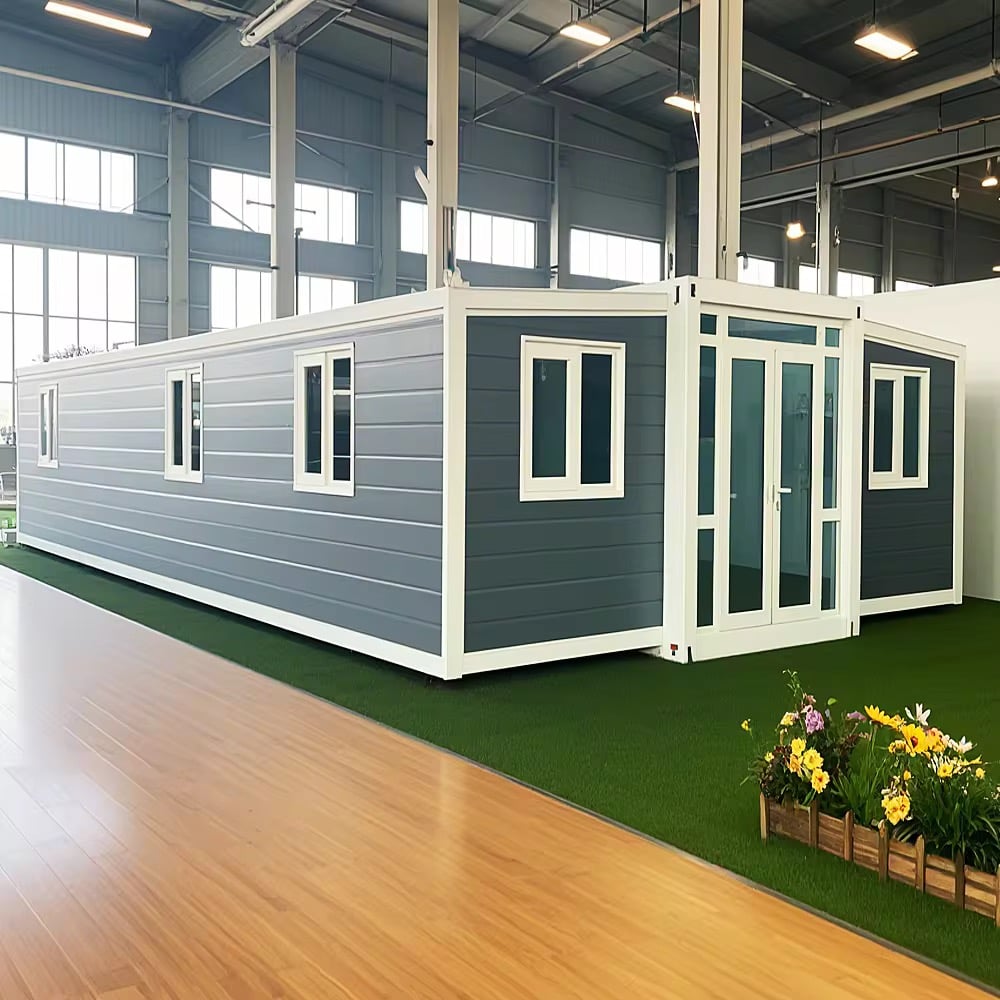
An energy-efficient home is not only comfortable to live in, but it saves you money. When utilizing a collapsible container house, insulation is very important. When it is insulated, the inside stays warm during the winter and cool in summer. It conserves energy and makes your living space more comfortable. In this article, you will learn how to insulate a container house in an easy way. We’ll Also Show You Where to Find Good Insulation Packages. At Keyi we want you to be comfortable and save energy.
Where Can You Find Good Insulation for Collapsible Container Housing?
Getting great insulation for your shipping container homes is very important to keeping warm or cool. You can purchase insulation at neighborhood hardware stores. Most local retail stores offer a range of insulation materials, including foam boards and spray foam. Cut these to fit size of your container. If you are looking for more variety, try online retailers. Websites frequently offer a broader range and ship to your doorstep. Look at reviews to find out what other customers think of the insulation.
Keyi also makes insulating materials ideal for container homes. We care about good quality and make sure we give you everything you need to have a comfortable home. When selecting insulation, consider the R value, which indicates how well the material resists heat flow. A higher R-value provides greater insulation. For container homes, materials such as fiberglass or rigid foam can work well. Oh, and remember your budget as well. Spending a little more on good insulation can sometimes save money on energy bills in the long term. That means you can relax in your home without running over budget.
How to Insulate Your Shipping Container Home for Year-Round Comfort and Savings
To make your container home as insulated as possible, first you will want to ensure that any gap or hole is sealed. Fill these gaps with latex caulk or weather stripping. This prevents air from infiltrating or escaping, making your home more energy-efficient. You can then insulate the walls. Rigid foam boards like this are a good pick for that. They are simple to cut and apply. Lean them against the walls, and be sure to use all of the surfaces.
Don’t forget about the roof! Don’t forget the roof when insulating. Here you can also spray foam insulation or add more rigid foam boards. This helps to trap heat inside when it gets colder and outside air when it is warmer. For the floors, consider insulation boards or a carpet. That makes walking around your house so much more comfortable and better for energy savings!
Last, but not least, don’t forget about ventilation. You won’t even notice how fast all sorts of air purifiers will pay off with fresh and healthy indoor atmosphere! You could also add vents, even small windows, to alleviate this issue. That means you’ll have a snug container house all year long and won’t spend a fortune on heating and cooling. If you follow these key points, with the assistance of Keyi, let your container house become a comfortable and energy-saving sweet home.
Insulation Mistakes To Avoid In Container Homes You Don't Want to Make the Same Insulation Mistakes
Insulation in collapsible container room In the factory-made collapsible container house, insulation is an important consideration. Still, there are a lot of things that the average person might do wrong insulating the home. One common error is failing to seal the gaps effectively. Container homes typically have seams and crevices that allow hot or cold air to seep in and out. Failure to seal these gaps can cause warm air to leak out in winter, and cool air leaks out in summer. This translates to higher energy requirements to keep your home comfortable. To prevent this mistake, look for any gaps around the windows, doors or along the walls. Use a high quality sealant to close up these holes.
Another error is having the wrong kind of insulation. Many people believe that all insulation is made equal, but that’s false. Various types of insulation perform better in various circumstances. Foam board, for instance, is excellent for container housing it’s sturdy and retains heat. But some people may opt for insulation not designed to be used on metal containers. This results in low efficiency of energy utilization. Just select insulation for shipping container home is much better.
And also, some people forget to insulate the roof. Roofs are one of the spots through which heat can seep most readily. If you don't insulate the roof properly, your container house will be cold during winters and very hot in summer. You have to insulate the roof well with good insulation materials if you want your container house to be more comfortable in all seasons. By doing so, you can give your collapsible container house a better insulation while not wasting money on energy bills because of these common insulation mistakes.
What to Consider When Shopping for Energy-Efficient Insulation for Wholesale Purchasers?
If you are a wholesale purchaser and looking for insulation for folding container house, there are some important things to keep in mind. And one, is to choose insulation that has a high R-value. R-value reflects how well insulation resists heat flow. The higher the R-value, the better the insulation will prevent heat from escaping in winter and entering home during summer. Find insulation with an R-value that makes climate-appropriate sense for the location in which container homes will be used. That should keep the homes comfortable, customers not the least among them.
Next is the insulation material. There are a few ways you can go, like foam, fiberglass and spray foam. Each type has its benefits. For example, foam insulation is really efficient and you can cut it to fit tightly into the walls of the container. Because it can expand, spray foam is a great option for air sealing filling in all the gaps. Consider what material insulation will be most suited for the design of the container homes you are selling.
Another key consideration is the longevity of the insulation. You want insulation that will endure, not break down quickly. Certain types of insulation can also be damaged by moisture and become a breeding ground for mold. Opt for moisture-resistant and all-weather-tolerant insulation. This means you can offer your customers a product to maintain the energy efficiency and comfort in their container homes for years.
Lastly, consider the installation process. There are some types of insulation that install more easily than others. Difficult insulation installation, on the other hand, can lead to added labor costs and project length. Choose easy-to-handle and install insulation. This will be a great way to help your customers save time and money on the products they need. By considering these points, you will be able to get cost efficient insulation that is appropriate for the needs of your clients so that they can focus on enjoying their collapsible container houses.
How You Can Get a Better Energy Rating On Your Container Home With Insulation Done Right
Energy Saving Rating to your container house Upgrading the energy rating of your container house is another smart money saving option. A great way to do this is through good insulation. Step 1: Insulation Evaluation The first thing you need to do is to evaluate the insulation in your container house. Look for places that have little or no insulation such as your walls, floors, ceilings, and ducts and use the right materials to block leaks so you can keep in heat or cool (air conditioning). It’s a good idea to add other insulation in areas that need it. A small change can add up to big energy savings.
Then think about investing in higher-quality insulation. If your container houses old or less effective insulation, it might be the perfect excuse for replacing insulation with modern high quality one and increasing the energy rating. Choose an insulation with a high R-value and good resistance to moisture. Advantages of container houses often include materials such as foam board and spray foam insulation. They insulate very well and also help maintain a stable temperature in the house.
That being said, one of the most important things to check is your insulation’s installation. Of course, even the best insulation won’t do its job if it is not installed properly. Once again check that the insulation is sitting cosy in all areas and there are no crevices or voids. If unsure about the installation, have a professional help. Installing it correctly can largely increase the effectiveness of your container house.
And also, don't forget the windows and doors. They can be poor insulators in terms of heat loss. Installing energy-efficient windows and weather stripping around doors can also contribute to your container home total energy rating. You may also be able to hang curtains or shades in the structure so you can regulate the temperature indoors. Since you’ll be able to make improvements, your insulated container house will have a much better energy rating which uncannily means that it feels lovelier inside at the same time being more efficient. At Keyi we’re passionate about making sure you have the best collapsible container home solutions on our site to help keep it nice and cool (or warm) to live in but also kinder on your energy bills too.
Table of Contents
- Where Can You Find Good Insulation for Collapsible Container Housing?
- How to Insulate Your Shipping Container Home for Year-Round Comfort and Savings
- Insulation Mistakes To Avoid In Container Homes You Don't Want to Make the Same Insulation Mistakes
- What to Consider When Shopping for Energy-Efficient Insulation for Wholesale Purchasers?
- How You Can Get a Better Energy Rating On Your Container Home With Insulation Done Right